STORY
Why Our Favorite Music Venues Are Closing

Ckord
5/3/26
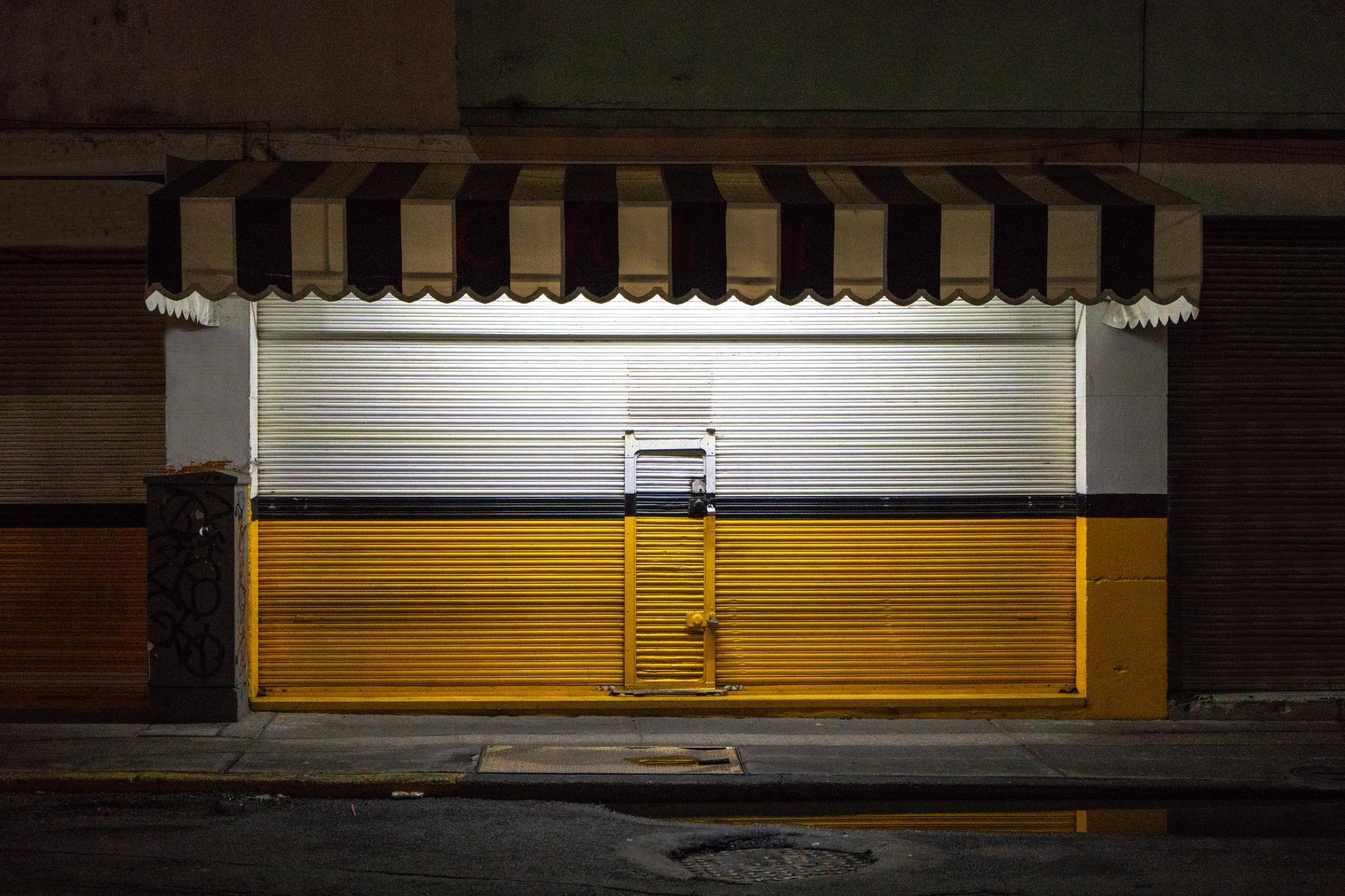
If there is a heartbeat to New York City, its the independent music venues. From sticky-floored basement punk clubs to acoustically perfect jazz rooms, these spaces are the incubators for global talent and the lifeblood of the city's nightlife.
But if you’ve been paying attention to the NYC concert scene over the last few years, you’ve probably noticed a troubling trend: some of the city's most beloved stages are going dark.
This isn't just a lingering feeling among local concertgoers—it is backed by staggering data. The reality is that New York City has experienced a massive net loss of small, independent music venues over the last decade and a half. So, what exactly is happening to the city’s live music ecosystem? Let’s break it down by the numbers.
The Hard Numbers: A Decade of Net Loss
The slow bleed of NYC's music venues was happening long before anyone had heard of COVID-19. According to a landmark economic impact study conducted by the Mayor’s Office of Media and Entertainment (MOME) and the Boston Consulting Group, New York City lost 20% of its small music venues in the 15 years leading up to the report.
Throughout the 2010s, an audit by Audiofemme tracked 60 notable independent show spaces and DIY spots that permanently closed their doors. This included foundational incubator spaces like Death By Audio and Cake Shop.
Then, the 2020 pandemic acted as an accelerant to an already existing real estate crisis. According to late-2025 data from the Center for an Urban Future (CUF), nearly 50 independent theaters, music clubs, and cultural spaces have shuttered strictly since 2020.
High-Profile Farewells: The Venues We’ve Lost
Avant Gardner & The Brooklyn Mirage (East Williamsburg)
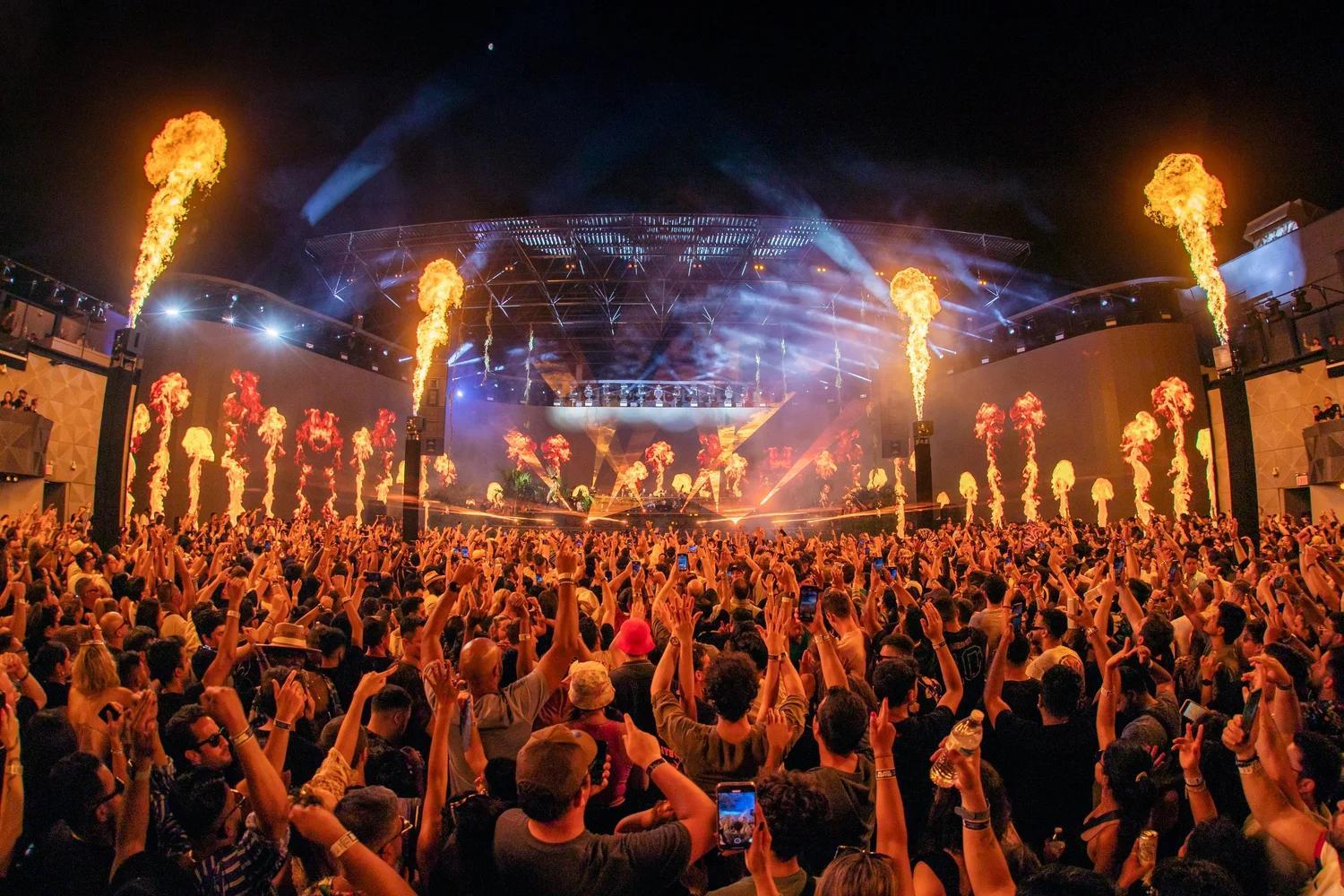
Closed:
- May 1, 2025 (The Mirage Shuts Down): This was the beginning of the end. The Brooklyn Mirage was supposed to have its grand reopening after a massive, $30 million off-season renovation.However, just hours before doors opened for a sold-out show, the NYC Department of Buildings completely revoked their temporary certificate of occupancy, labeling the new structure "flat-out unsafe."The outdoor venue was abruptly shuttered for the entire 2025 summer season.
- August 4, 2025 (Bankruptcy is Filed): The financial fallout from the canceled Mirage season was completely catastrophic.AGDP Holding Inc., the parent company of Avant Gardner, officially filed for Chapter 11 bankruptcy.They cited over $155 million in debt, owing massive amounts to vendors, construction firms, and artists.(Note: The indoor venues, Great Hall and Kings Hall, briefly remained operational during the initial restructuring to try and stop the bleeding).
- January & February 2026 (The Final Demolition): After the bankrupt company was sold to new ownership (Axar Capital Management and Dubai-based FIVE Holdings), the final nail in the coffin was struck. The demolition of the iconic Brooklyn Mirage structure was approved in January and began in February 2026 to clear the lot.
The Story: While many venues close due to rising rents, the loss of Avant Gardner—and its crown jewel, the Brooklyn Mirage—was an entirely self-inflicted, catastrophic implosion. At its peak, this 80,000-square-foot East Williamsburg labyrinth was ranked as the #1 large music club in North America. It had the highest-resolution video walls, imported palm trees, and festival-scale lineups.
But behind the scenes, the empire was crumbling. Following the disastrous, lawsuit-heavy 2023 Electric Zoo festival and rising complaints about overcrowding and safety, management attempted a massive $30 million venue renovation to save face and boost profits. The fatal flaw? They built it on temporary permits. Just hours before the grand reopening in May 2025, the NYC Department of Buildings revoked their operating permit, deeming the massive new structure "flat-out unsafe." The parent company filed for Chapter 11 bankruptcy in August with staggering debt, and by early 2026, the entire multi-million dollar expansion had been bulldozed into an empty dirt lot. It is a legendary cautionary tale of what happens when nightlife corporations prioritize rapid expansion over the safety of the dance floor.
(Note: the iconic Pacha brand is currently attempting to resurrect the space!)
Black Flamingo (Williamsburg, Brooklyn)
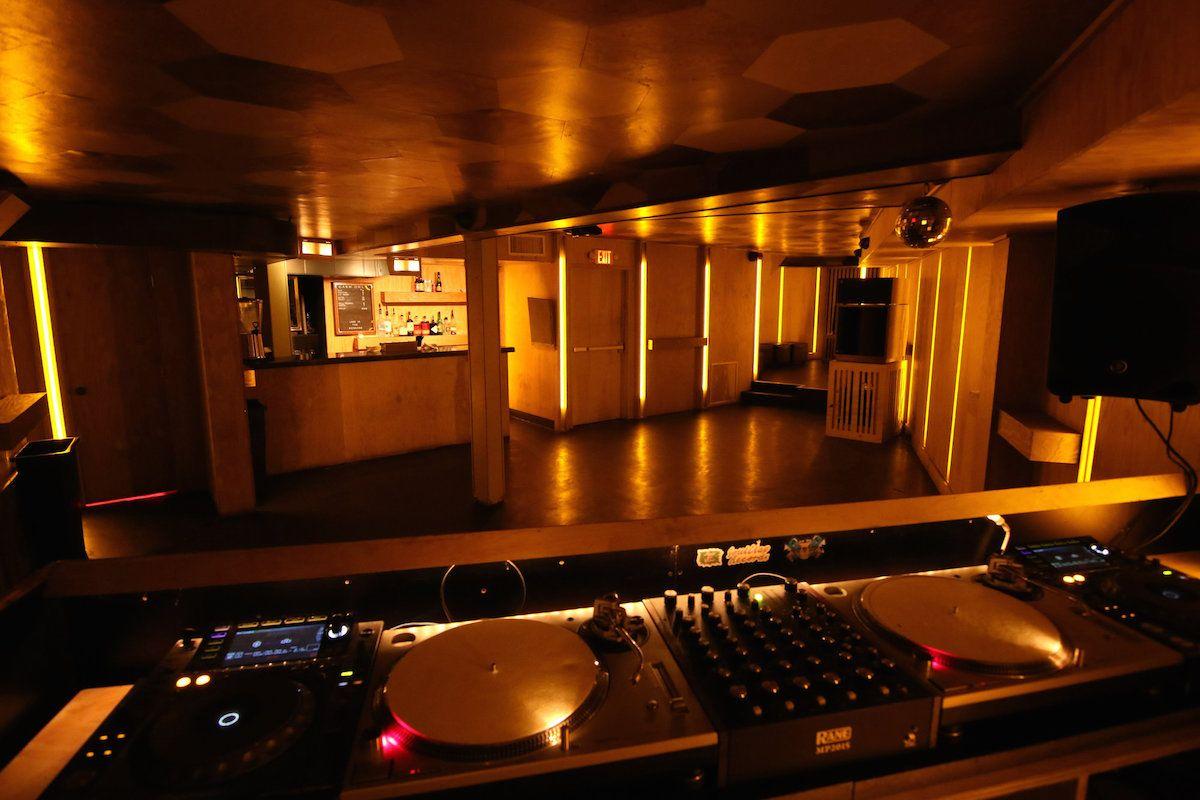
Closed: March 2025
The Story: If you spent any time in the Williamsburg underground scene over the past decade, the loss of Black Flamingo probably felt deeply personal. Opening its doors in 2015, this beloved Borinquen Place staple was the quintessential Brooklyn safe haven—a flawless vegetarian restaurant upstairs and a sweaty, vibrant, bass-heavy pink basement downstairs where you could hear everything from Fela Kuti to Daft Punk.
So, why did such a packed and beloved venue close its doors in March 2025? It’s the classic, heartbreaking NYC real estate story: creeping gentrification and skyrocketing operating costs. Co-owners admitted that between astronomical insurance hikes and the changing demographics of the neighborhood, it simply became impossible to maintain the original, raw energy the club was built on. Williamsburg transitioned into an era of smaller, cocktail-focused lounge bars, leaving independent, community-driven dance spaces like Black Flamingo in the dust. It’s a massive loss for local talent and a stark reminder of how fragile our favorite underground spaces really are.
Our Wicked Lady (East Williamsburg, Brooklyn)
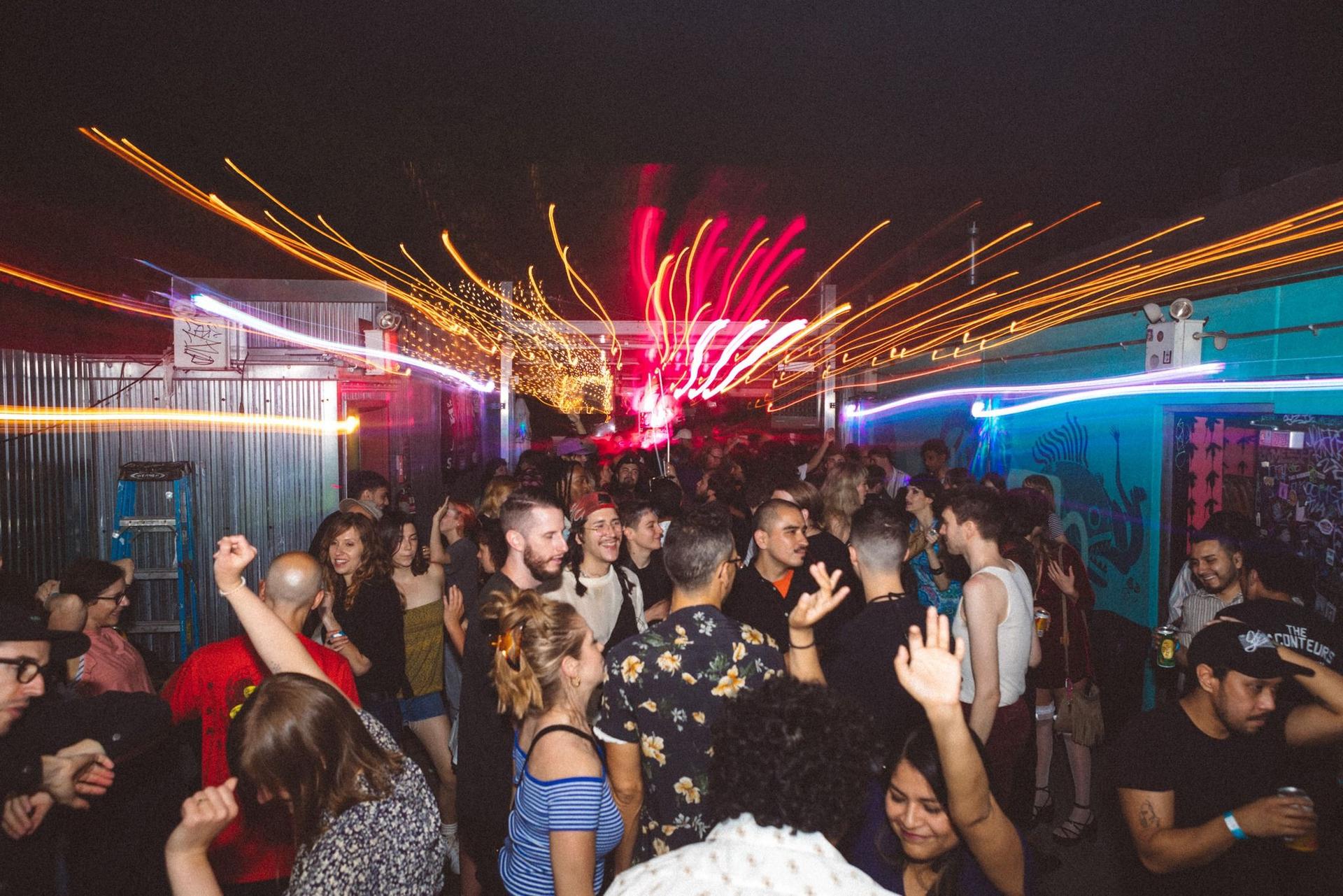
Closed: July 2025
The Story: A massive loss for the Brooklyn indie scene. This beloved rooftop and indoor venue (located at 153 Morgan Avenue) was founded by two former Brooklyn Bowl managers. Despite raising over $40,000 via GoFundMe and having a buyer lined up to take over the space, the landlord refused the sale, stating they no longer wanted a music venue on the property. It closed right around its 10-year anniversary.
Saint Vitus Bar (Greenpoint, Brooklyn)
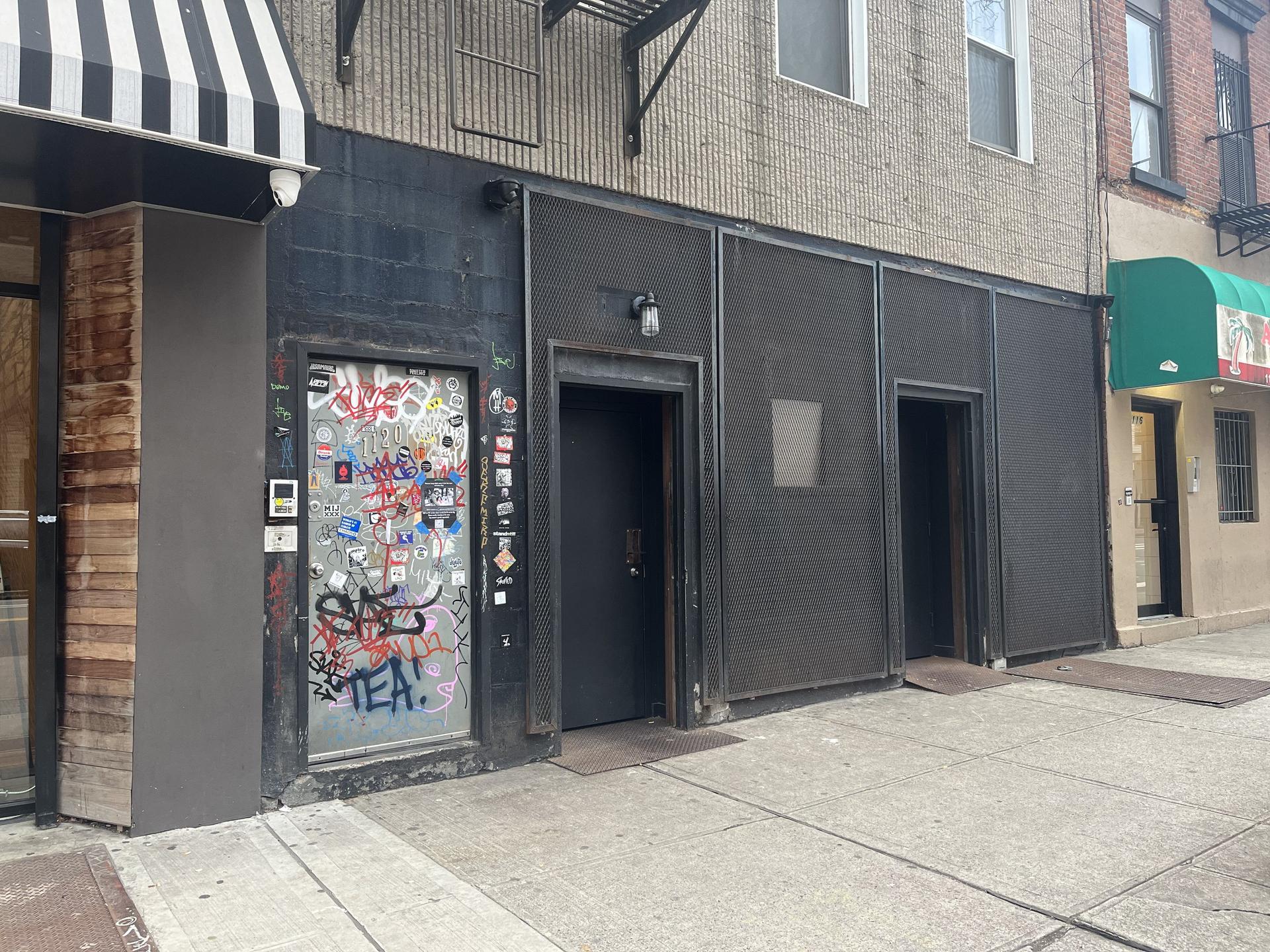
Closed: February 2024 (Announced permanent closure August 2024)
The Story: Arguably one of the most famous heavy metal and punk clubs in the world, this 250-capacity room hosted legendary underplays by Nirvana and Megadeth. It was shut down mid-show by the NYC Department of Buildings over assembly and permitting violations and, despite promises to reopen, the owners permanently surrendered the space in August 2024.
Rockwood Music Hall (Lower East Side, Manhattan)
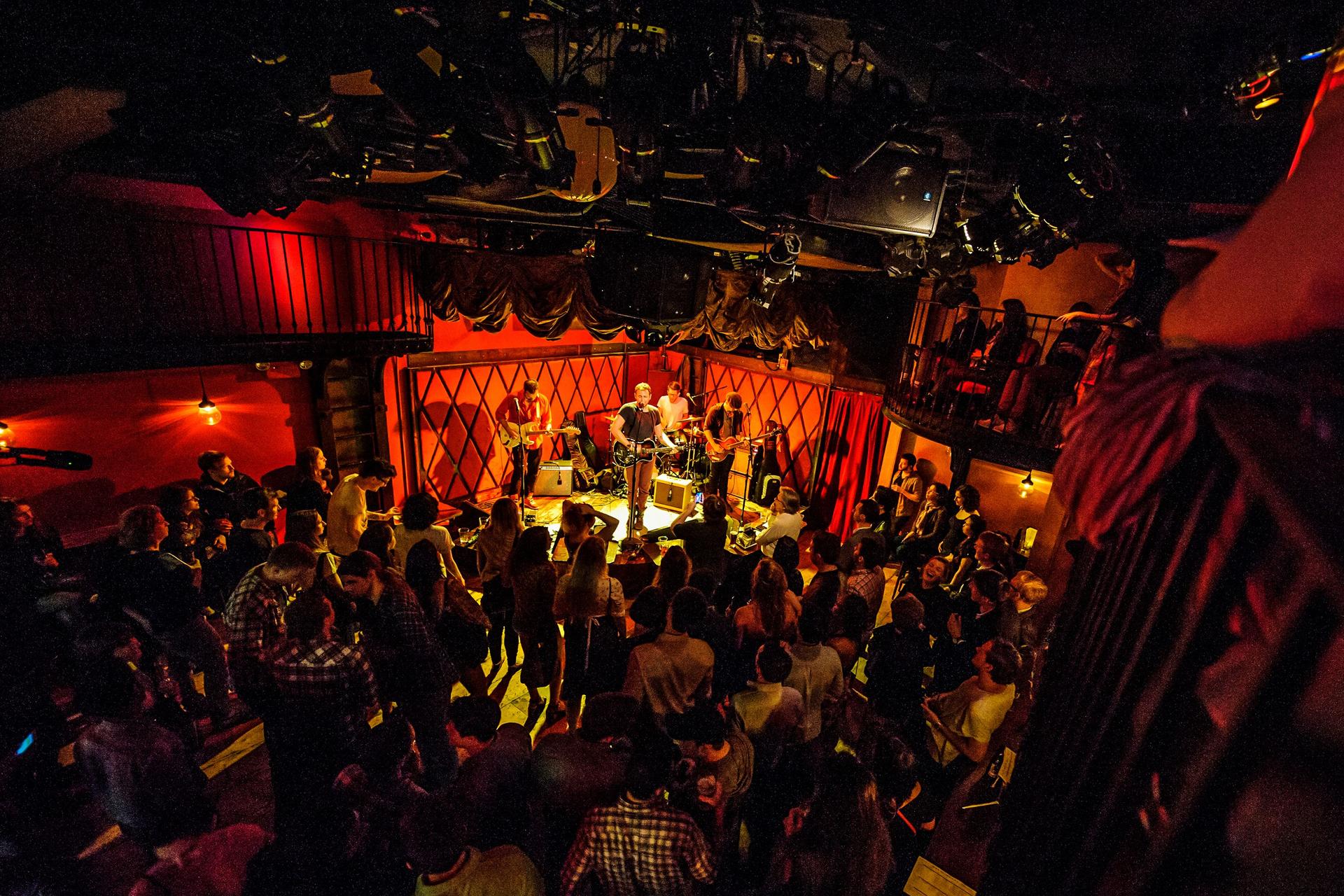
Closed: November 2024 (Stage 1) / 2023 (Stage 2)
The Story: The ultimate incubator for NYC singer-songwriters. After almost 20 years of operations, the venue was crushed by debt. Despite a massive GoFundMe and benefit concerts led by alumni like Sara Bareilles, Rockwood slowly collapsed, closing its larger Stage 2 in 2023 before abruptly canceling all future shows and shutting down Stage 1 in November 2024.
Music Hall of Williamsburg (Williamsburg, Brooklyn)
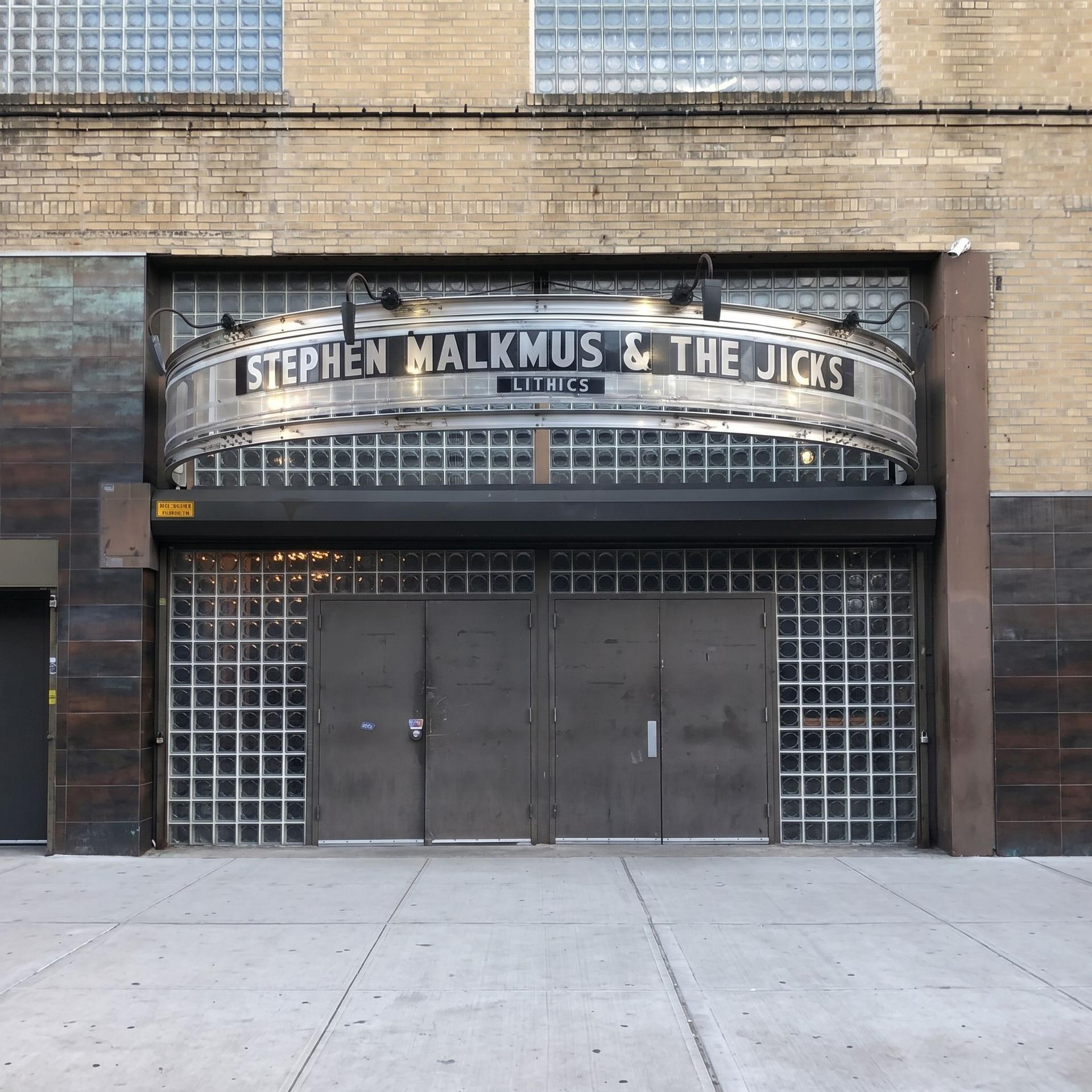
Closing: End of 2026
The Story: A devastating blow announced in late 2025. The Bowery Presents confirmed that the building's owners declined to renew their lease. The 650-capacity room has been the heartbeat of the North Brooklyn scene since 2007, acting as a launchpad for artists like Tame Impala and St. Vincent.
The Owl Music Parlor (Prospect Lefferts Gardens, Brooklyn)
Closed: December 31, 2025
The Story: A deeply cherished, fiercely independent listening room known for experimental songwriters and folk music. After a 10-year run, the owner voluntarily closed the space to focus on his own music, hosting the final farewell shows on New Year's Eve at the end of 2025.
Umbra (Bushwick, Brooklyn)
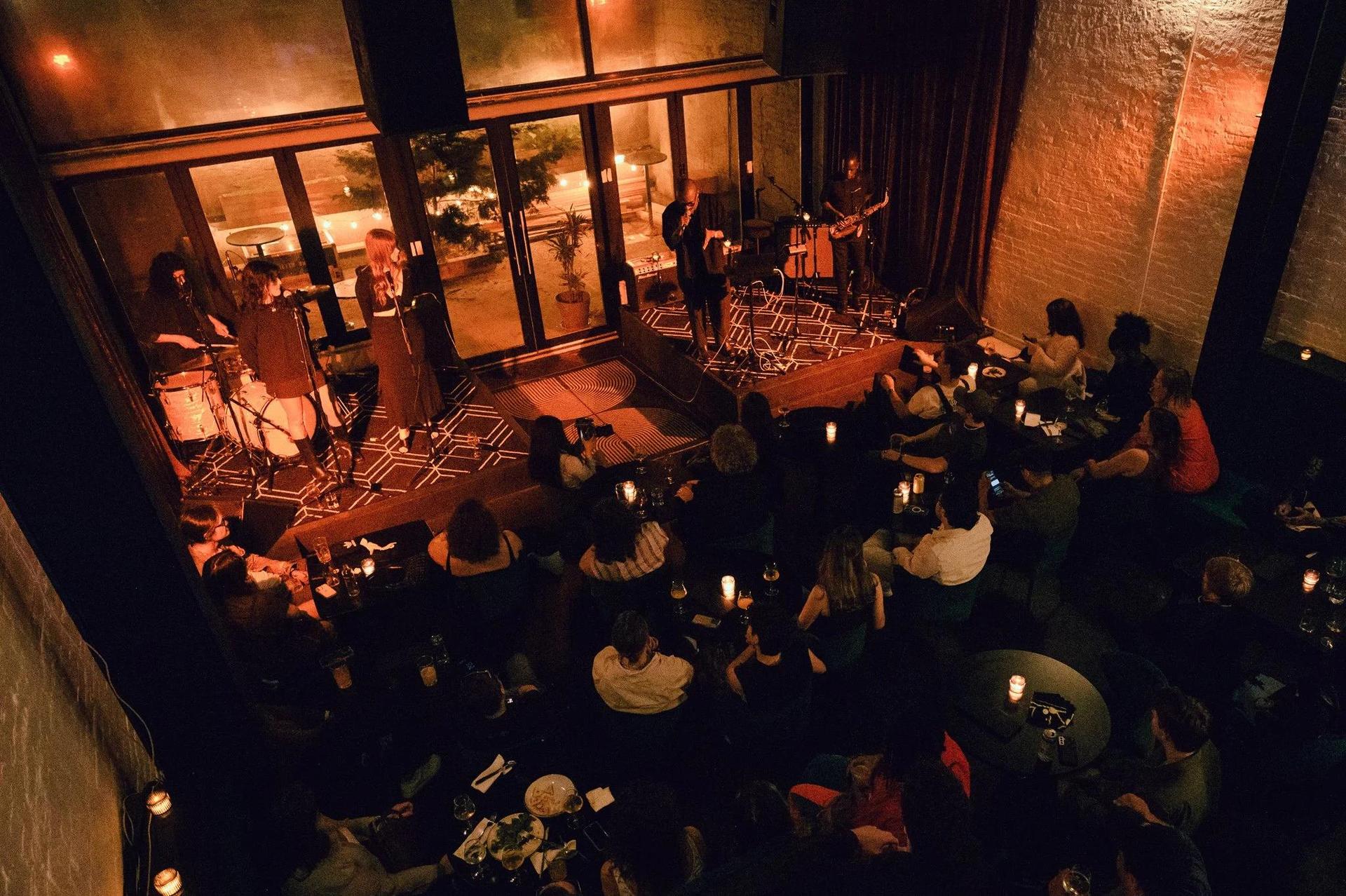
Closed: Late 2024 / Early 2025
The Story: A magical, short-lived cafe, bar, and live music venue. It became a fast favorite in the Bushwick neighborhood for its intimate, community-driven shows but ultimately announced its permanent closure after just two years of operation due to the harsh financial realities of running an independent space.
Swing 46 Jazz & Supper Club (Midtown, Manhattan)
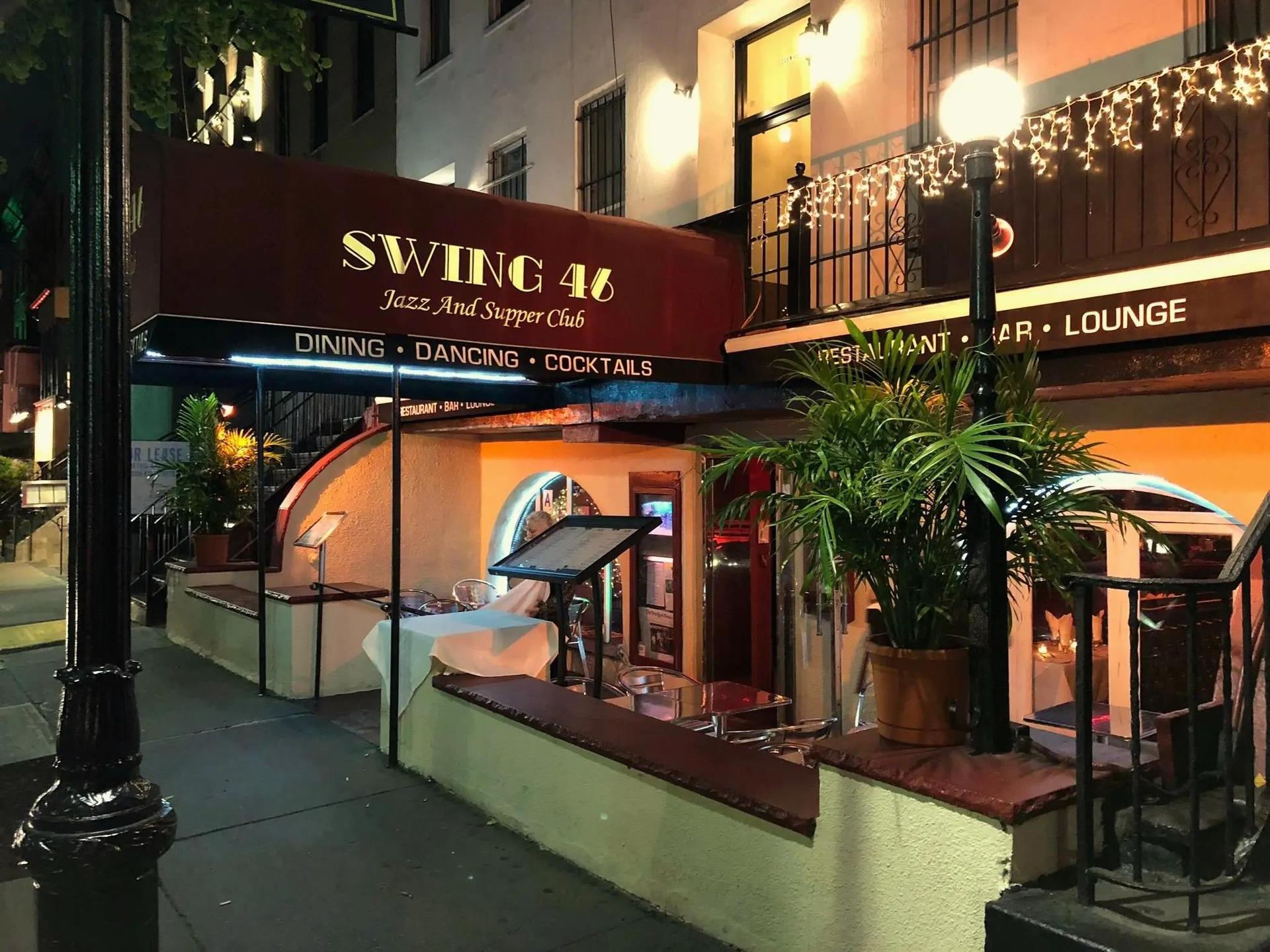
Closed: January 1, 2026
The Story: A tragic loss for the city's swing dance and big band community. After operating for 27 years on Restaurant Row, the venue announced it was ceasing operations right after the holidays, citing insurmountable financial difficulties and shifting neighborhood dynamics.
Why Are the Doors Closing?
When we look at why these cultural hubs are shutting down at such an alarming rate, a few consistent culprits emerge:
1. The Real Estate Squeeze
The Boston Consulting Group report identified rising commercial real estate prices and zoning pressures as primary drivers pushing out mom-and-pop operators. Landlords can often make more money leasing to corporate retail or selling the building entirely to luxury developers than keeping a mid-sized concert hall as a tenant. When a 150-capacity venue closes, it is rarely replaced by a new venue; it is usually replaced by high-end retail or condos.
2. Post-Pandemic Inflation & Artist Flight
Post-pandemic inflation has hit the live music ecosystem hard. Rising rent, higher guarantees required by touring bands, and the increased cost of goods have forced venues to raise ticket and drink prices. Furthermore, the ecosystem that sustains these venues is shrinking: between 2019 and 2024, the city saw a 4.4% decline in its resident artist population, a stark reversal from the massive growth seen in the decades prior.
3. Quality of Life Complaints
As luxury residential buildings go up next door to historic nightlife spaces, venues face an influx of noise complaints. New residents moving into traditionally loud neighborhoods often target the very cultural institutions that made the area cool in the first place.
The Silver Lining: The Outer Borough Shift
Despite the closures, the NYC music scene is incredibly resilient. New spaces are opening, but the geography and business models are shifting.
Openings have largely migrated away from Manhattan and prime Brooklyn into deeper Brooklyn and Queens. Neighborhoods like Ridgewood and Bushwick have seen successful openings of formalized, mid-sized venues—places like TV Eye and The Broadway—that capture the raw energy of defunct DIY spaces but operate completely above board (having navigated the heavy initial capital required for proper licensing and soundproofing).
We are also seeing venues pivot to survive. Rather than completely shutting down, legendary spaces like the East Village's Bowery Electric transitioned into a more intimate, 100-seat theater called Bowery Palace to adapt to the changing landscape.
What You Can Do to Save the Scene
While systemic issues require city-level interventions, the survival of independent music ultimately relies on the people in the crowd. Here is how you can actively protect the venues you love:
- Buy Tickets Directly: Whenever possible, buy your tickets straight from the venue’s box office or official website to cut out third-party scalper fees and ensure the venue and artists get the maximum cut.
- Show Up Early, Stay Late: Venues make razor-thin margins on tickets; their real financial lifeblood is the bar. Show up for the local opening acts, buy a drink (alcoholic or non-alcoholic), and tip your bartenders.
- Support Venue Merch & Crowdfunding: Many independent spots sell their own t-shirts, tote bags, or run Patreon campaigns. Buying a venue hoodie does just as much to keep the lights on as buying a concert ticket.
- Advocate Locally: Pay attention to your local community board. When new developments threaten neighborhood noise ordinances or challenge a venue's liquor license, having residents show up to defend the space is critical.
The Bottom Line: The map of New York City’s music scene is being redrawn. While it is heartbreaking to say goodbye to the rooms where we saw our favorite bands before they got big, the city's relentless creative spirit ensures that somewhere, the next great NYC venue is just turning on its amps. But if we want those new spaces to survive, it’s on us to show up.